
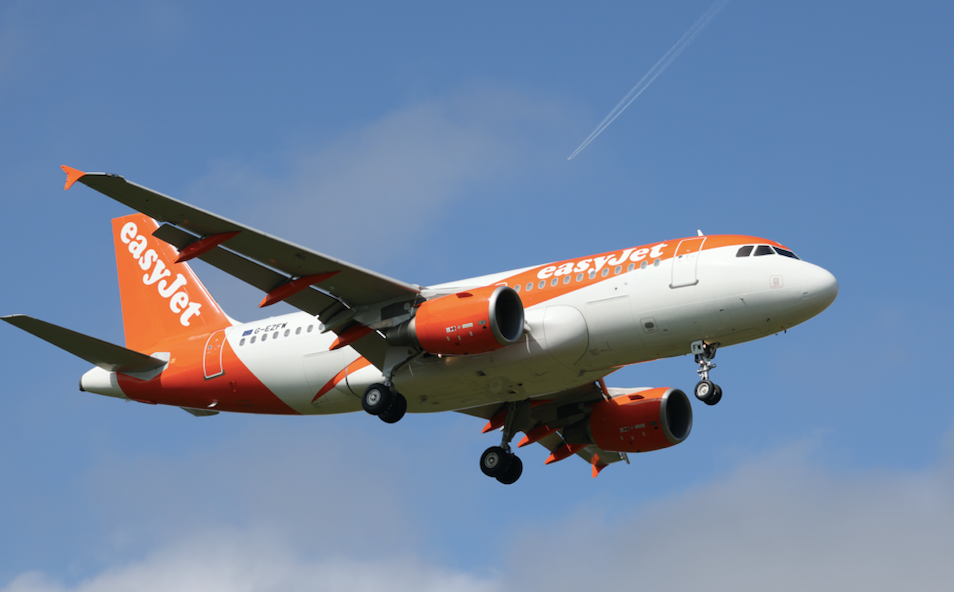

The full list is below.
The global aviation industry is in the middle of its worst fuel crisis in years and it’s already claimed its first major scalp.
Since US-Israeli strikes on Iran effectively shut down the Strait of Hormuz in late February, jet fuel prices have roughly doubled, surging from around $85–$90 per barrel to as high as $200–$209 at peak.
Around 20% of the world’s oil and natural gas traverses the Strait, and pre-conflict around 3,000 vessels used it each month — that number now sits at roughly 5% of normal.
A conditional ceasefire is technically in place, but the Strait remains effectively closed.
The US launched Operation Project Freedom on 4 May to escort merchant ships out of the Gulf, then paused it on 6 May citing “great progress” in talks with Iran.
Baker Hughes is now operating on the assumption the Strait won’t fully reopen until the second half of 2026, and a Dallas Fed survey found nearly 80% of oil and gas executives expect August or later.
Given that fuel accounts for nearly a third of what it costs to run an airline, carriers have been left with a brutal choice: pass the costs on to passengers, or start cancelling flights altogether.
Most are doing both, and with May half-term now in play, the disruption is hitting one of the busiest travel periods of the year.
According to aviation analytics firm Cirium, airlines have so far cancelled around 13,000 flights worldwide from May schedules, including 1,468 from the UK’s biggest airports.
The biggest casualty so far came on 2 May, when Spirit Airlines ceased all operations at 3am EST after a $500 million federal bailout collapsed in last-minute talks.
It’s the first major US airline to shut down due to financial trouble in 25 years, and the clearest sign yet that “systemic” disruption.
With approximately 75% of Europe’s supply flowing through the now-disrupted Strait, the bloc is particularly exposed and analysts have cautioned that the cuts so far could be just the opening act of a deeper summer disruption.
In the UK, Transport Secretary Heidi Alexander has temporarily suspended the “use it or lose it” airport slot rule, meaning carriers can cut flights without losing slots to rivals.
Here’s every airline that has confirmed action so far.
Aegean Airlines Greece’s national carrier has warned of a ‘notable impact’ on its first-quarter results following suspended Middle East routes and the fuel price spike.
AirAsia X The Malaysian long-haul budget airline has cut 10% of its May flights and slapped roughly a 20% fuel surcharge on ticket prices.
Air China Air China has confirmed cuts to both domestic and international flights in response to the fuel surge, though specific affected routes have not yet been disclosed.
Air France-KLM Air France is adding €50 (around £43) per round trip on long-haul fares. Dutch arm KLM has cancelled 160 European flights this month, describing a growing number of its routes as no longer financially worth operating given current kerosene prices. KLM has also confirmed that flights to Dubai, Riyadh, and Dammam remain cancelled until at least 28 June.
Air India The carrier has ditched its flat domestic fuel surcharge in favour of a distance-based system. It has acknowledged that existing international surcharges are simply not keeping pace with the scale of the price rise.
Air New Zealand Air NZ has cut around 1,100 flights through to early May, raised fares, and pulled its full-year earnings guidance entirely. A second wave of cuts has now been confirmed for late June through July, with 44 return flights from Tauranga and 70 from Nelson being removed between 29 June and 26 July.
Air Transat The Canadian carrier, which specialises in flights from Canada to Europe, the Caribbean, and Mexico, is slashing its schedule by 6% between May and October. Several of its most popular routes, including to the Caribbean and Cuba, will be affected through the end of the summer season.
Akasa Air India’s Akasa has introduced domestic and international fuel surcharges ranging from 199 to 1,300 Indian rupees (roughly £2–£12) depending on the route.
Alaska Air Checked bag fees are up, around £4 more on the first bag, £8 more on the second for North American flights, and the third bag has jumped from around £37 to £150. The airline has also withdrawn its full-year profit forecast.
American Airlines First and second checked bags now cost around £8 more each, while the fee for a third bag has shot up by roughly £115 on domestic and short-haul international flights. The carrier had already flagged an expected £305m rise in first-quarter costs due to fuel.
Asiana Airlines The South Korean carrier is cutting 22 flights between April and July.
Cathay Pacific Around 2% of scheduled passenger flights are being cancelled between 16 May and 30 June. Budget subsidiary HK Express is cutting around 6% of its schedule from 11 May. Services to Dubai and Riyadh remain suspended until at least 30 June. The airline raised fuel surcharges by 34% across all routes from 1 April, and is reviewing them every two weeks.
Cebu Air The Philippines-based carrier has flagged the fuel spike as a major concern and says it’s actively reviewing its pricing and network.
China Eastern Airlines The airline has introduced domestic fuel surcharges from 5 April — 60 yuan (around £6) on flights under 800km, and 120 yuan (around £13) on longer domestic routes.
Frontier Airlines Reviewing its full-year forecast after fuel prices moved significantly since its last guidance was published.
Greater Bay Airlines Fuel surcharges are up on most routes from 1 April. The surcharge on Hong Kong–Philippines flights will more than double, while mainland China and Japan routes are unaffected.
Hong Kong Airlines Surcharges up by as much as 35% from 12 March, with the biggest increases on routes to the Maldives, Bangladesh, and Nepal, where charges have risen from HK$284 to HK$384 (roughly £29 to £38).
IndiGo India’s biggest airline introduced fuel charges on domestic and international flights from 14 March, including 900 rupees (around £8) on Middle East routes and 2,300 rupees (around £21) on European ones.
JetBlue Airways The US low-cost carrier has raised optional fees, including baggage charges, by between £3 and £7. CEO Joanna Geraghty has publicly ruled out a bankruptcy filing in 2026, moving to quash speculation after JetBlue’s founder suggested the airline could go under. The carrier has secured £380m in debt financing backed by aircraft, with an option to raise a further £190m.
Korean Air South Korea’s flag carrier officially entered emergency management mode from April, with Vice Chairman Woo Kee-hong warning staff that if high oil prices persist, the damage to annual business targets would be severe. The airline had budgeted for fuel at around $2.20 per gallon, however they’re now paying closer to $4.50. Phased cost-efficiency measures are being rolled out across the business.
Nigerian Airlines The Airline Operators of Nigeria had threatened to ground all domestic flight operations from 20 April, with carriers stating that soaring fuel costs had made services financially unsustainable. A shutdown was narrowly avoided after Nigeria’s Aviation Minister Festus Keyamo intervened and called for emergency talks. The suspension of the planned action is conditional on the outcome of those discussions.
Norse Atlantic The Norwegian budget carrier has permanently cancelled its London Gatwick to Los Angeles route, citing the fuel price surge.
Pakistan International Airlines Domestic fares are up around £15 and international fares have risen by up to £75, with the airline attributing the increases to higher fuel surcharges.
SAS The Scandinavian carrier has cancelled almost 1,200 flights scheduled for May, following several hundred cuts in March.
Southwest Airlines Checked bag fees are up around £8 on both first and second bags.
Spring Airlines The Chinese budget carrier is raising domestic fuel surcharges from 5 April.
SunExpress The Lufthansa–Turkish Airlines joint venture is adding a temporary €10 (around £9) per passenger surcharge on Turkey to mainland Europe routes from 1 May, applying to bookings made from 1 April onwards. This applies only to flights between Turkey and mainland Europe, not Europe in general.
TAP Air Portugal The Portuguese carrier has acknowledged that planned fare increases will only partially cover the fuel cost impact on revenues.
Thai Airways Fares are going up by 10–15% across the network, and Thai Airways International has reduced or cancelled flights across 46 routes in Asia and Europe for May.
TUI Europe’s biggest tour operator has cut its profit forecast and suspended revenue guidance entirely. TUI, which operates its own fleet, is 83% hedged on jet fuel for the summer though its shares have still fallen 25% over the past three months.
Turkish Airlines Has opted not to pay out any dividend from its 2025 profits, choosing instead to hold on to cash. The carrier has also cancelled more than 3,000 flights, according to Cirium data — some routes suspended between May and June 2026, with others potentially not operating until late October 2026 or March next year.
T’Way Air The South Korean low-cost carrier has announced plans to furlough cabin crew without pay in May and June.
VietJet The Vietnamese budget carrier has reduced flight frequency on selected routes in May and June due to concerns over potential fuel shortages.
Vietnam Airlines Cancelling 23 domestic flights per week from April, and has formally asked the Vietnamese government to remove an environmental tax on jet fuel.
Virgin Atlantic Fuel surcharges are being added to fares, but CEO Corneel Koster has acknowledged the airline will struggle to turn a profit this year regardless.
Virgin Australia Expecting an additional A$23m–A$30m (roughly £12m–£15m) in fuel costs in the second half of its fiscal year, alongside a 1% cut in capacity in the fourth quarter.
WestJet The Canadian carrier has cut seat capacity for June and is adding a C$60 (around £33) fuel surcharge to certain bookings, while also consolidating some flights.
Win €/£1,000 in our FREE Win-Lose-Draw Predictor
In the age of stats geeks, AI-generated Fantasy teams and nth-degree analysis, we’ve stripped football knowledge down to its most instinctual form: Win, Lose or Draw.
In JOE’s new Premier League Win-Lose-Draw Predictor, you can prove your footballing nous up against your mates, while also being in with a chance of winning €1,000/£1,000 each week.
And if no users predict all results correctly, EVERY player who submitted an entry will be placed into a random prize draw for the €1,000/£1,000.
Two players came within an inch of winning the jackpot last week with 9/10 right – play below for this weekend’s fixtures! It takes just a few minutes to enter…
#airlines #cancelling #flights #adding #charges